

Electrical Safety Certificates For Rental Properties in St Albans
If you own rental properties in St Albans, you should ensure that your electrical systems are secure. electrician in st albans should have an electrical safety certificate that shows that your home is in compliance with the laws applicable to it.
The new regulations for the Private Rented Sector (ESPS2020) require landlords to have electrical systems inspected every five years. The cost of an EICR will vary from property to property and depends on the age and size of your electrical system.
Electrical Installation Condition Report (EICR).
An official document known as the Electrical Installation Condition Report (EICR), it is a thorough examination of the electrical system inside the structure or property. It is used to verify that electrical installations are secure and in good condition.
A good EICR will help you keep your property safe by highlighting any areas that require improvement. It will also reveal any risk that could cause damage and injuries to you or your tenants. It is vital to have an EICR in St Albans so that you can ensure that the wiring in your home is secure and can be used in a safe manner by other.
An EICR can also be used to keep the record of the survey. This is helpful in the event you need to prove that the property was scrutinized. It will also detail when and what areas were inspected.
An EICR in St Albans can give you assurance that your electrical systems are safe and are not causing damage to the environment. It will also show you any problems that could be harmful to the people in your home, for example, dangerous electric shocks or abnormally high temperatures in wiring and appliances.
EICRs are also helpful for landlords in St Albans who want to be sure that their properties are secure for their tenants and that they will not face any legal problems if anything goes wrong. As of July 2020, it is a legal requirement for all private landlords to have an EICR in place.
An electrician can look over the electrical system of your home as well as appliances. They will be aware of any obvious problems that they spot, such as broken sockets or damaged extension cords, as well as broken plugs. They will then test them against the latest safety standard, BS 7671, to determine if they are in satisfactory or not.
The cost of an EICR is dependent on the volume of work required and size of the property. It is best to shop around prior to hiring an expert contractor.
Inspections conducted by the Department of Fire
Regular inspections are carried out by the Department of Fire on all commercial and residential buildings. These inspections aim to ensure whether the structure of the building and appliances are safe for use. This helps to prevent fires from causing damage.
The inspections by the Department of Fire are carried out by trained professionals who are licensed to conduct the inspections. They are able to provide expert advice and provide suggestions regarding how to ensure the safety of your home.
They will also inform you if your electrical system is in good working order and is in compliance with all legal requirements. Additionally, they will be able to provide suggestions on how to improve your home's energy efficient and also save money.
It is your obligation as the landlord to ensure that tenants are safe and secure in the property they rent. This is why it is vital to perform regular checks on your electrical systems and have them inspected by a licensed electrician.
It will not only help you protect your tenants, but it will also provide you with peace of mind knowing that your property is in good working order. It is important to remember that poor electrical systems can lead to heavy fines and even imprisonment.
There are also helpful tips online on how to ensure your home's safety in the case of an incident of fire. These documents are available in English, Spanish, Chinese and Russian.
It is essential to take note of the fact that the price for an EICR will vary from one house to the next. It will be contingent on the age and size of the electrical equipment. Larger homes usually require more extensive tests to make sure that electrical components are in good functioning in good working order.
The Department of Fire also has an extensive background in community risk assessment (CRA). It uses data to identify the risks that exist within your area and assists communities to develop a plan of action to improve their overall security. This is done by identifying the places, people and conditions that are the most vulnerable and can be properly protected from fires.
Electrical Safety Certificates (EICR)
An Electrical Safety Certificate (EICR) is a legal document that is used to confirm the security of electrical installations. They are issued by licensed electricians, and are useful to homeowners, landlords and even businesses.
As a home owner or landlord, it's essential that your electrical systems are safe and comply with the latest regulations. They are laid out in the 18th edition of the Wiring Regulations, known as BS 7671.
A professional EICR is required for any residential property. It will ensure that the installation conforms to all safety standards and ensure that you are not liable for costly repairs in the future.
Every home must be tested for electrical safety and checked on a regular basis. This is to prevent electric shocks and fires.
The checks are performed by a licensed electrician who will carry out a comprehensive inspection of your electrical system. They will examine your wiring lighting fittings, sockets, and consumer units. They will also inspect any equipment that is permanently connected, such as showers or extractor fans.
The inspection will be conducted by your electrician. It will include the results of the tests as well as any remedial work that is required to be completed and a final declaration regarding whether the installation is safe to use.
This is a complete and professional service that can provide peace of mind for you and your family. It can also help you save money in the long-term.
While an EICR can be costly, it is worth the investment to avoid expensive repairs later. The cost of an EICR will vary depending on the size of your house and the number of electrical appliances you have.
An EICR costs about PS125 for a single-bedroom rental property, however it may cost more for a 5-bedroom house. This is due to the fact that larger homes generally take longer to process, and consequently require more work.
Inspections by an electrician who is qualified
Your electrical system is a vital component of the safety of your home. It safeguards your home, your belongings and you from the risk of fires and power cuts. It is essential to have your home inspected by a licensed electrician on a regular basis.
Inspectors use a checklist to check the safety of every electrical device in your home. During the inspection, they make sure that everything is up to the National Electrical Code's minimum safety requirements.
If something doesn't conform to these standards, it's said to "fail." This could result in a fine or a certificate of conformity.
During the inspection an electrician will check your home's wiring and other electrical systems to ensure they're safe and comply with the National Electrical Code (NEC). They will also check that all outlets are grounded.
To keep up with developments in safety, the NEC is updated three times per year. These guidelines are not being followed and could result in an electric fire or short circuit.
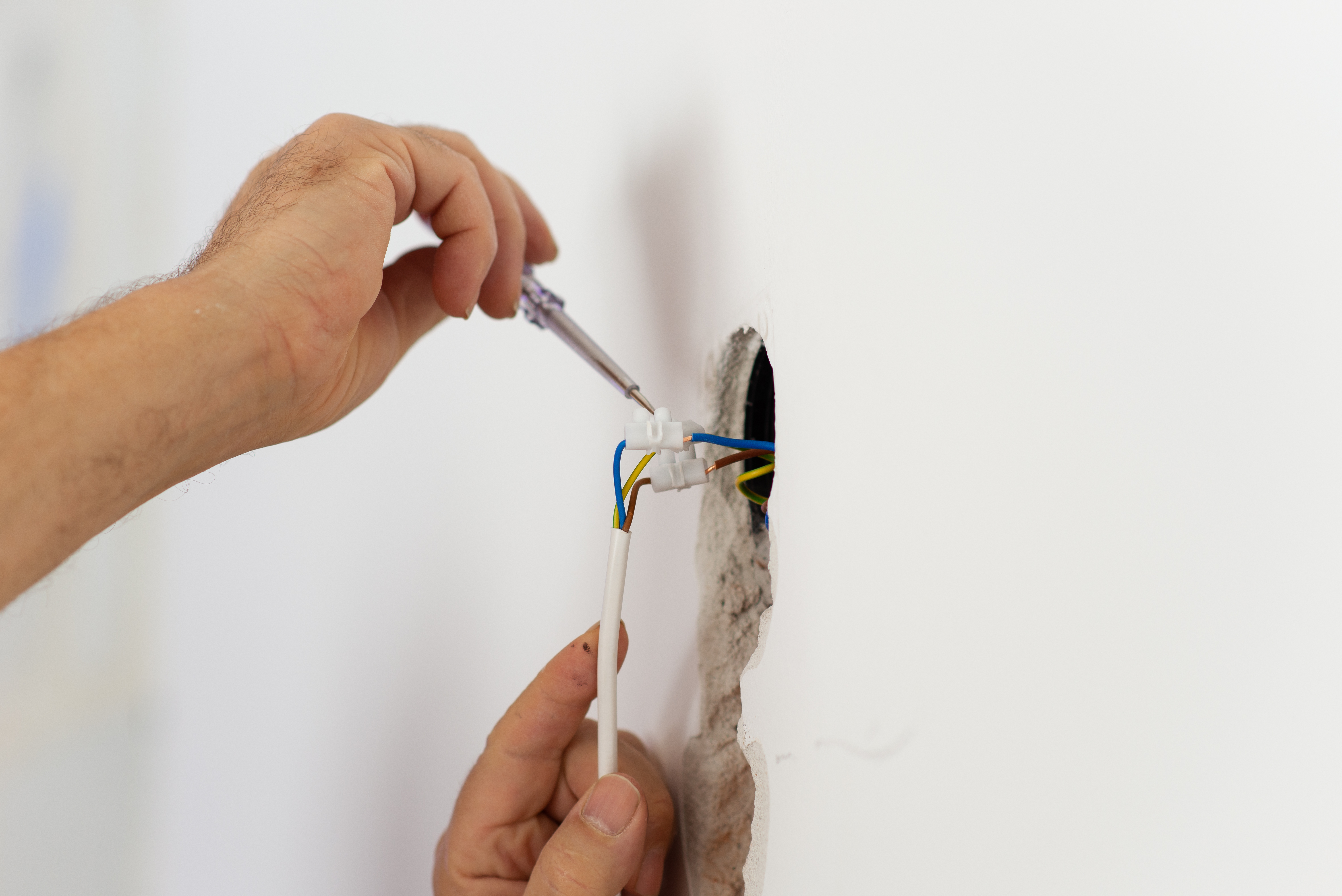
Wires: Your wiring needs to be constructed from high-quality materials and installed according to correct procedure. An expert electrician can check the quality of your wiring to determine if they should be replaced or repaired.
They will look at the length of the wires to make sure they're in compliance with the requirements for sheathing and gauge. They will also inspect the condition and the location of your electrical boxes. They'll ensure that the electrical boxes you have are large enough to accommodate the number of wires and gadgets you have, as well as securely attached to the exterior of your house.
Conducting a thorough inspection of your wires is one of the most comprehensive components of your electrical inspection, and you should anticipate that it will take a long time. Your inspector will search for wires that are exposed to water or are fraying or rusting issues.
Aluminum wiring is not recommended for older homes. It is susceptible to corrosion and doesn't integrate well with other wires and installations.
Your electrical outlets, service panels, and meters are all areas that may require assessed. The electrician will examine all electrical devices to ensure they are compliant with code and have the appropriate labels. They'll also check that all smoke detectors as well as carbon monoxide detectors are properly installed.